Google Shopping Is Coming to South-Eastern Europe.
Market News / Google Shopping Expansion
Google Shopping Is Coming to South-Eastern Europe. What Ecommerce Teams Should Prepare Now.
A new wave of Shopping Ads markets is opening in EMEA. For brands selling cross-border, the opportunity is not only media access. It is a readiness test for product feeds, pricing, local language, delivery promises and customer operations.
Google Shopping Ads are moving into additional South-Eastern and EMEA markets. The brands that benefit earliest will be the ones that prepare the commercial and operational layer before the auctions become crowded.
What is changing?
According to market rollout summaries published by commerce advertising providers, Google is adding Shopping Ads in 15 new EMEA markets. One timeline describes 14 markets launching in September 2026, with Slovenia and expanded local-language feed support following in March 2027. Shoparize, 15 new Google Shopping markets
For South-Eastern Europe, the most practical point is this: markets such as Bulgaria, Croatia, Serbia, Bosnia and Herzegovina, Montenegro and Slovenia are becoming more accessible through Google Shopping. A separate Bulgaria-focused update also reports that Google Shopping Ads are expected to start in Bulgaria in September 2026, initially with English feed support and Bulgarian-language support planned for March 2027. CSS Partner, Bulgaria launch update
The rollout is not just an ads update
For international ecommerce teams, access to a new ad channel is only one part of the story. Google Shopping performance depends heavily on product data quality, localized commercial logic and reliable fulfillment information. If the product feed says one thing and the checkout, warehouse or courier process says another, the campaign will not scale cleanly.
This is especially important in cross border ecommerce. A new market can look easy from a dashboard, but buyers still compare delivery time, currency, returns, trust signals, customer service language and product information before they purchase.
Key markets to watch
The September phase matters because early participation can give merchants time to collect market data before local-language feed support expands in 2027. The March phase matters because it shifts the work from “being present” to being properly localized.
Two deadlines, two types of preparation
Launch readiness. Prepare product feeds in the supported launch language, confirm Merchant Center settings, verify pricing, and make sure shipping costs and delivery times are accurate for each market.
Localization readiness. For markets moving from English-first support to local-language feeds, prepare native product titles, descriptions, attributes and category logic before local search demand opens further.
What ecommerce teams should fix before launch
- 1Product feed qualityClean product titles, complete attributes, correct GTINs, strong images and market-specific categories matter more when a market is new and auction signals are still developing.
- 2Local pricing and currency logicConverted prices are not the same as localized prices. Teams should review rounding, VAT, margins, promotions and local price expectations before launching.
- 3Shipping promisesGoogle Shopping traffic can break trust quickly if delivery conditions are unclear. Ecommerce international shipping data should match the real courier setup, delivery time and checkout cost.
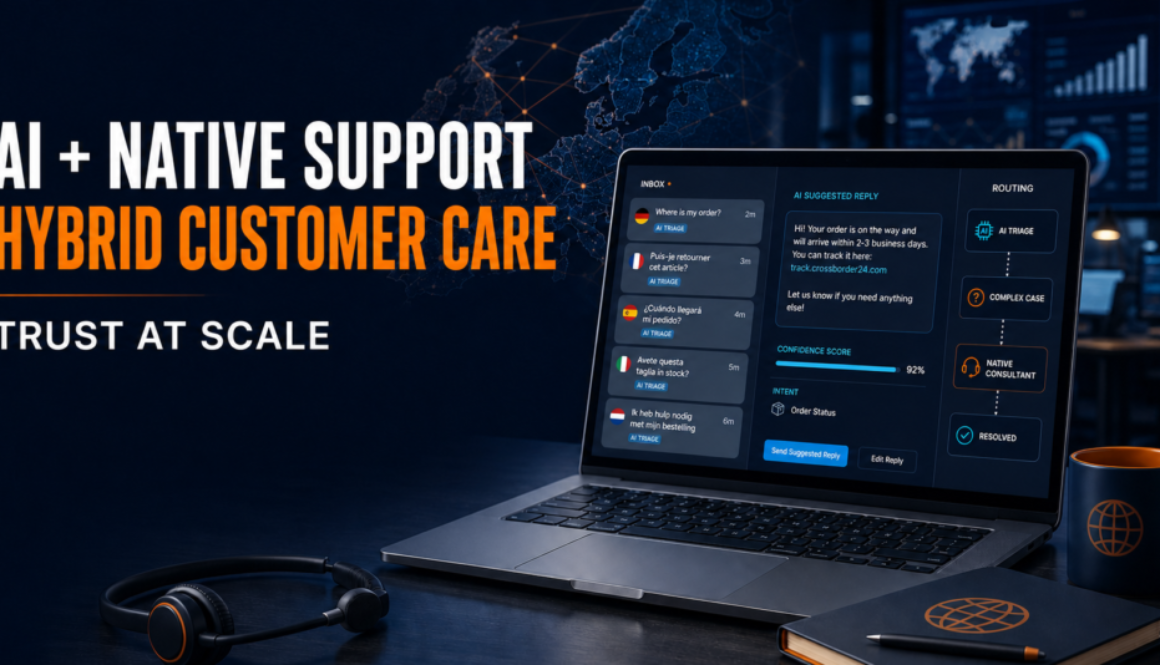
- 4Returns and customer serviceNew traffic creates new questions. Brands should prepare local customer care scripts, returns information and escalation rules before orders start coming in.
- 5Market-specific localizationMachine-translated product data may be enough to publish a feed, but it rarely builds buyer confidence. Native language review becomes more important as local-language feeds arrive.
The early advantage will not belong only to the first advertiser in the auction. It will belong to the first operator ready to sell locally.
Why Bulgaria deserves special attention
Bulgaria is one of the clearest South-Eastern European signals in the rollout. The Bulgaria-focused update points to strong ecommerce growth, mobile commerce momentum and the practical importance of delivery communication for cross-border sellers. CSS Partner, Bulgaria launch update
For brands already considering CEE or Balkan expansion, Bulgaria can be treated as a test market for the full operating model: feed localization, local delivery expectations, customer support, returns management and cross border logistics. The market entry question is not only “Can we run ads?” It is “Can we convert and serve the demand once it arrives?”
CrossBorder24 perspective
Google Shopping expansion gives ecommerce brands a new route into South-Eastern Europe, but advertising cannot replace operational readiness. Product feed localization, customer trust, shipping accuracy and after-sales support decide whether the traffic turns into profitable international ecommerce growth.
For teams preparing for the rollout, the smartest move is to connect marketing, logistics, customer care and localization before launch. That way, every market opens with a complete sales path instead of a disconnected campaign.
Sources
- Shoparize: 15 New Google Shopping markets – used for the reported EMEA rollout timeline, market list and feed preparation points.
- CSS Partner: Google Shopping Ads start in Bulgaria – used for the Bulgaria-specific launch timing, English-first feed note and local-language phase reference.
Planning South-Eastern Europe?
Turn new Shopping visibility into a local operating model.
CrossBorder24 helps ecommerce teams prepare market entry, localization, customer care, shipping and returns workflows before demand arrives.